Business Continuity
Stop reacting to floods. Start preventing damages.
A weather forecast tells you it will rain. It won't tell you which of your sites will flood, how deep, or when.
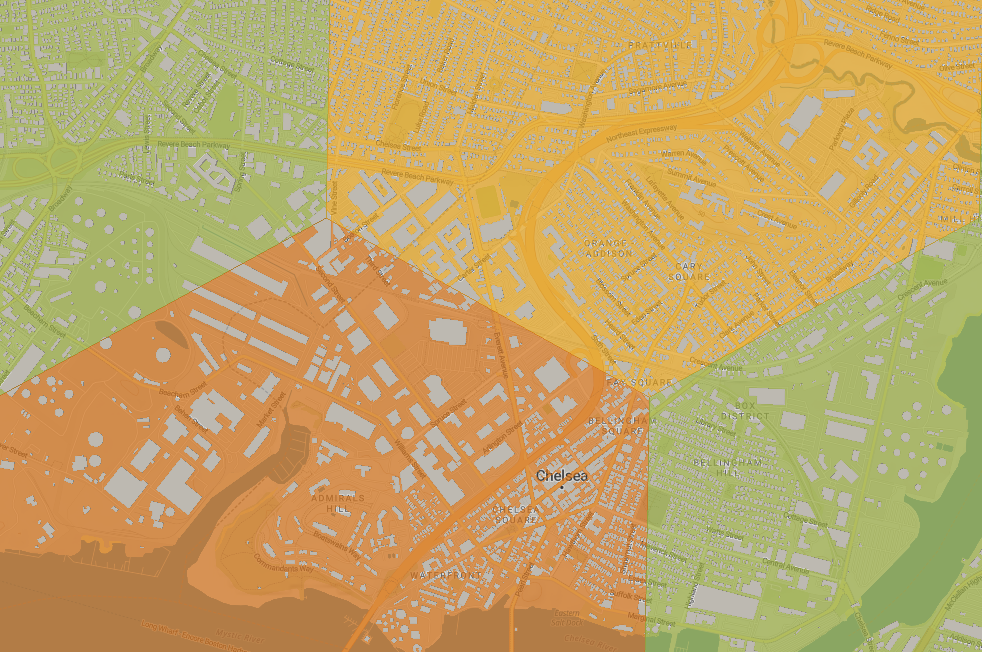
What is different about our approach?
Early Flood Warning
Building-level early flood warning system for any sized portfolios.
Always Current
Hourly updates ensure flood prediction reflect changes in the latest weather forecast.

72-hour Outlook
All risk of flooding (rainfall, flash, river, and storm surge) translated to your sites in single view.
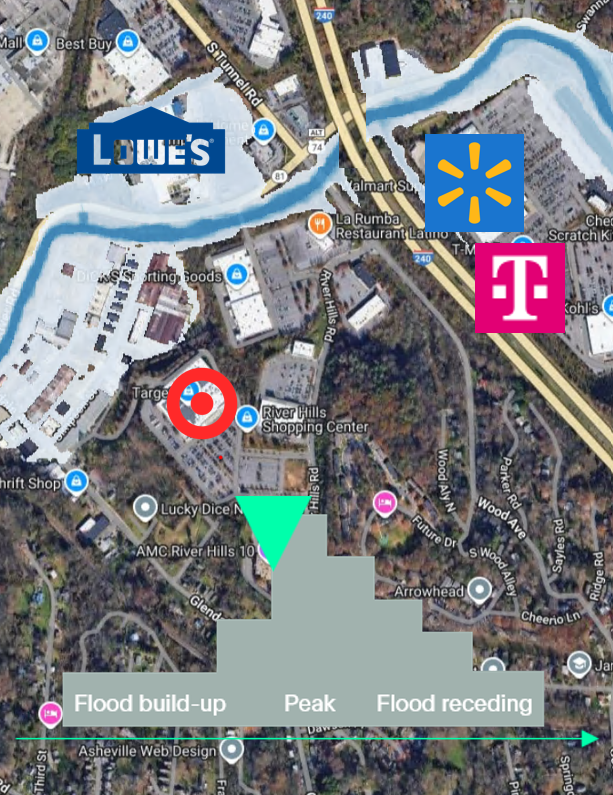
Flood went far beyond FEMA zones. Retailers in East Asheville, NC, bore the brunt
When Hurricane Helene made landfall in September 2024, catastrophic flooding along the Swannanoa River in East Asheville overwhelmed the boundaries of FEMA's official flood hazard zones. Retailers and businesses in areas classified as low or moderate risk suffered severe disruption — inventory loss, inaccessible sites, and prolonged closures — because conventional mapping gave them no actionable warning.
The difference resilience makes — sector examples
Power utilities
Accurate predictions help safeguard installations, reroute repair crews safely, and accelerate service restoration while protecting field staff.
Healthcare
Hospitals and clinics can prepare for evacuation, safeguard critical assets, keep patients and staff safe, and plan re-opening well ahead of a flood event.
Retail
Early warnings let store managers secure inventory, adjust logistics, guide customers to alternative access, and minimise disruption to sales.
Reducing risk and cost
Real-time flood intelligence lowers vulnerability by enabling targeted preventive measures. For sectors where continuity and safety are critical, this level of foresight is becoming a core part of operational resilience.
Benefits
How outlook drives operational resilience
Partners
What our partners are saying

A new climate reality is hitting businesses around the globe. Let's talk.
Book a demoUse cases
Keep exploring
Bring down flood claims with early warning solutions
- Actionable early warning — push site-specific alerts to clients
- Data-driven incentives — offer discounts for resilience initiatives
- Capital efficiency — reinsurance capital buffer savings
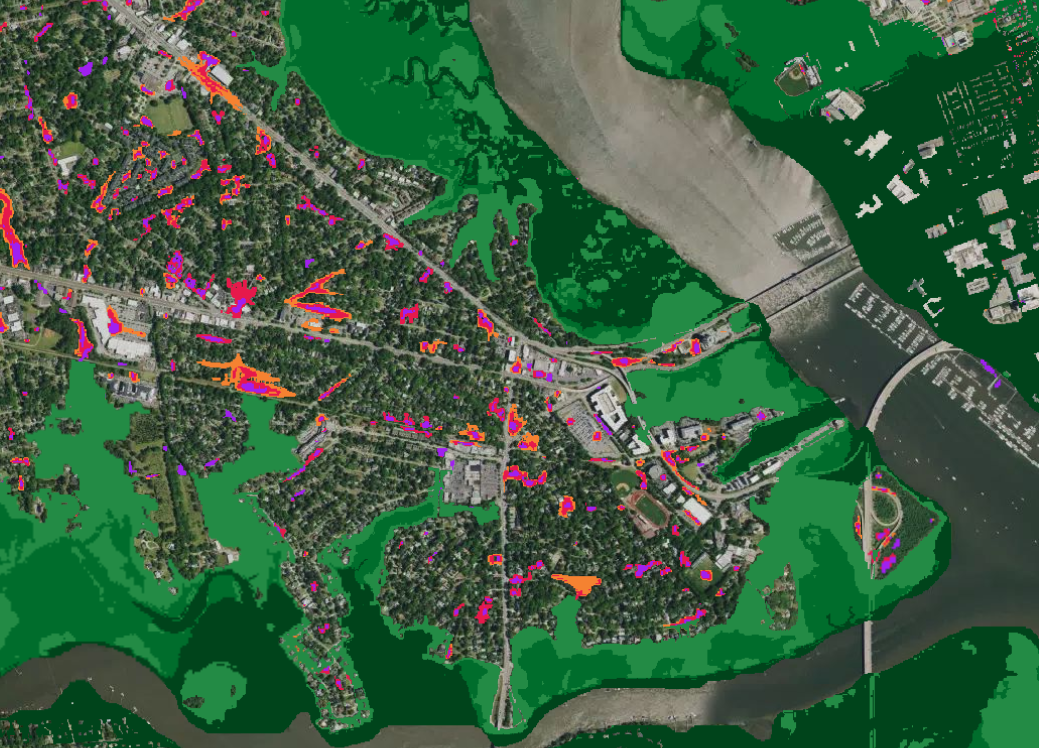
Independent event validation powered by 1×1 m models
- Event validation independent of historical flood data
- 1×1 m frequently updated data reflecting real-world changes
- Verified insight for post-event assessment and model calibration

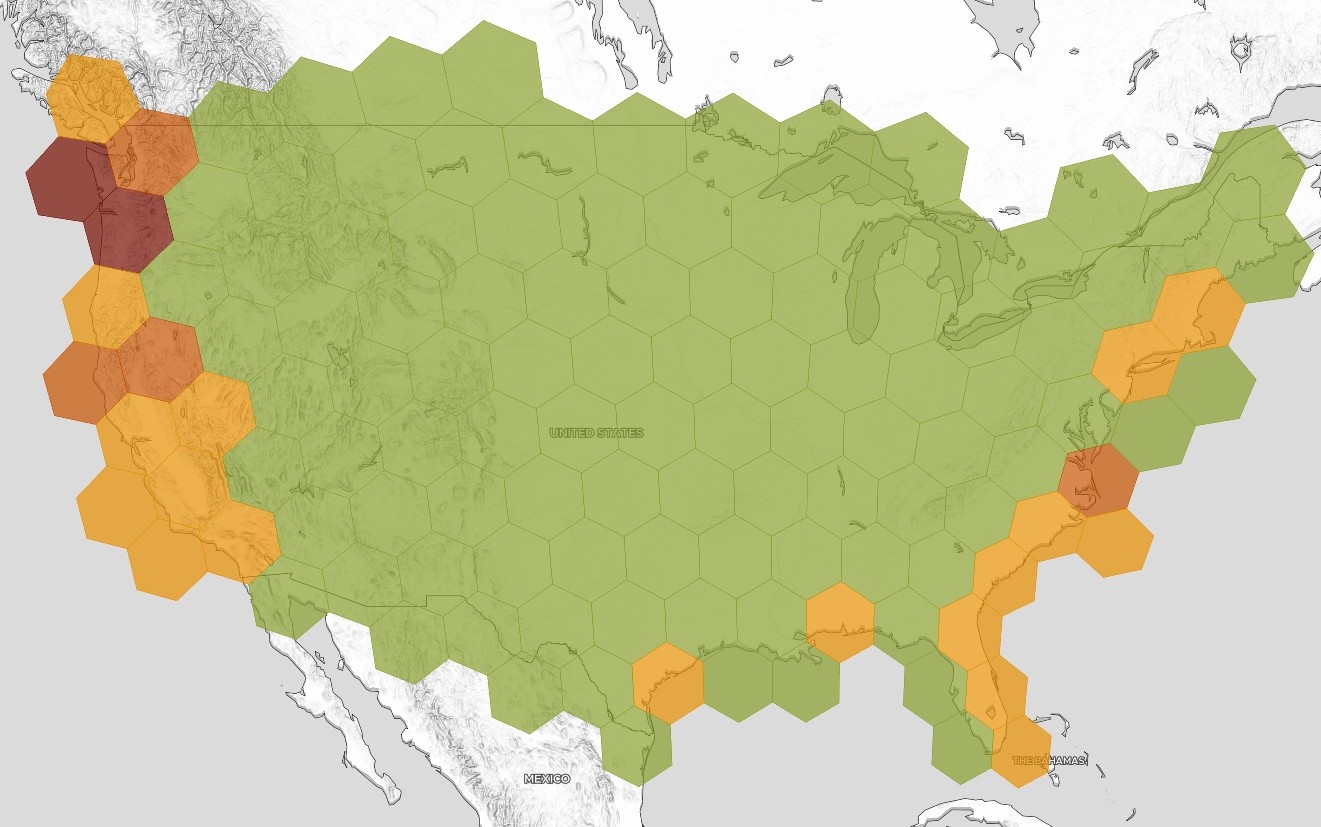
Early warning system for flood risk in the coming 72 hours
- Site-specific alerts for your portfolio updated hourly
- Covers pluvial, flash, river floods and storm surge
- Clear maps and guidance so teams know what to do next